
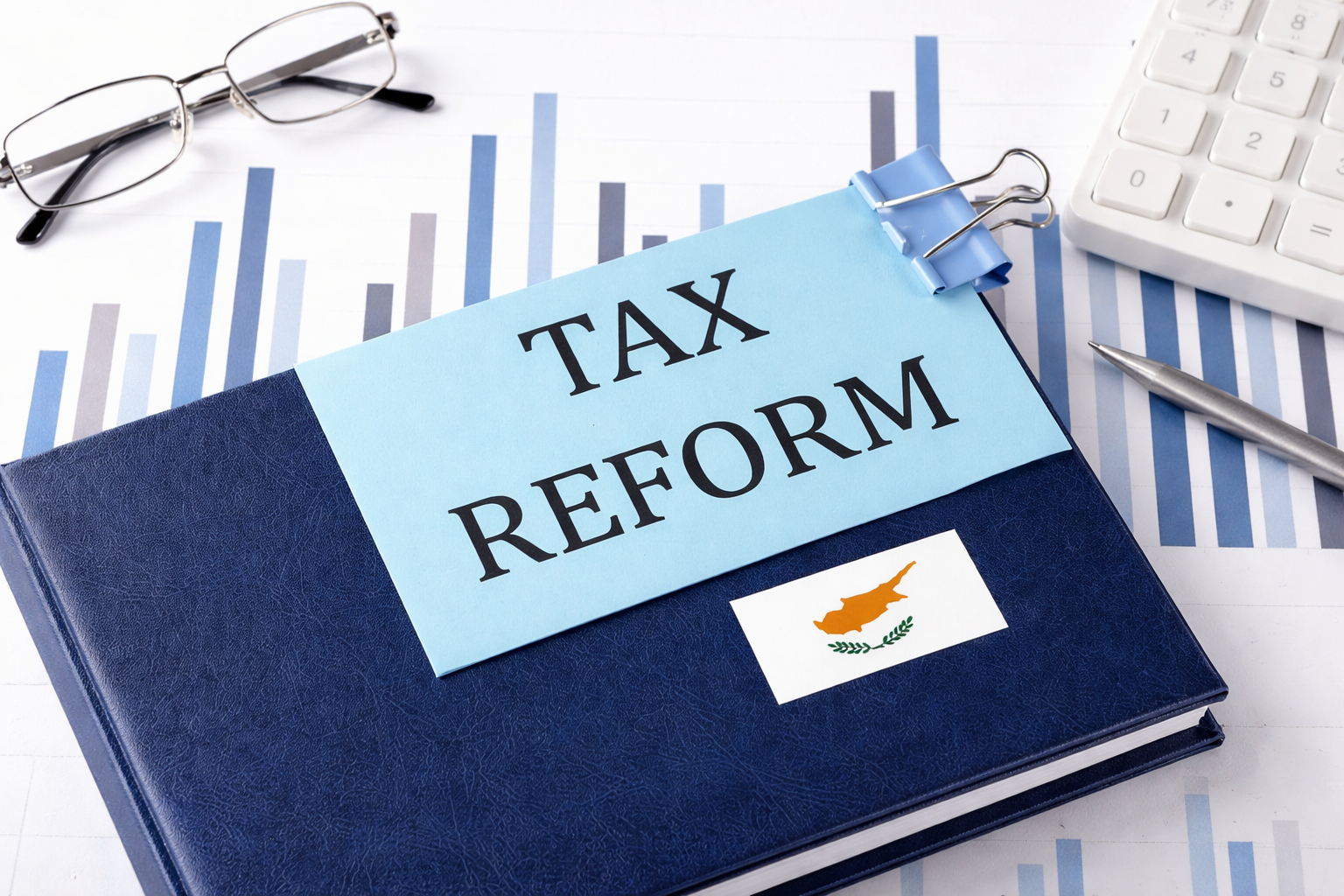
Cyprus has introduced important tax changes that directly affect the real estate market from 1 January 2026. These updates reduce certain transaction costs, improve rental returns, and tighten some rules for property held through companies.
Below is a simple overview of the key changes and what they mean for buyers, sellers, landlords, and investors.
1) Stamp Duty — Complete Abolition
Stamp duty on contracts (including real estate sale agreements) is fully abolished for documents/contracts executed from 1 January 2026 onwards.
Impact: Lower upfront transaction costs, simpler execution, and potentially faster deal completion.
2) Capital Gains Tax (CGT) — Increased Lifetime Exemptions
The Capital Gains Tax (CGT) rate remains 20%, but the lifetime exemptions for individuals (natural persons) increase significantly:
| Type of disposal | Old exemption | New exemption (2026) |
| General (any property) | €17,086 | €30,000 |
| Agricultural land (by farmer) | €25,629 | €50,000 |
| Main residence | €85,430 | €150,000 |
These remain lifetime limits, while inflation indexation and deductible expenses continue to apply under the CGT framework.
3) Rental Income — Special Defence Contribution on Rents Abolished
The Special Defence Contribution (SDC) on rental income is abolished from 2026.
As a result, rental income is generally subject only to:
- Income tax (for individuals) or corporate tax (for companies), and
- GESY contributions (currently 2.65% for individuals, subject to the annual cap, depending on the taxpayer’s status and treatment)
Mandatory Trackable Rent Payments:
From July 1, 2026 onwards, rent payments over €500 must be transferred via bank or cheque for better transparency and regulation in the rental sector.
4) Other Important Changes
- New Capital Gains Tax exemption for certain land-for-apartment / land-for-development consideration-in-kind arrangements, subject to conditions.
Final Thoughts
The 2026 Cyprus tax reforms create a more attractive environment for property buyers, landlords, and long-term investors, while also modernising the way real estate transactions are taxed.
If you are considering buying, selling, or investing in property in Cyprus, understanding these changes can help you make smarter decisions and plan ahead.